About the Authors: Aamir Hayat and Muhammad Mudassir study Defense and Strategic Studies at Quaid-i-Azam University. Their research focuses on transnational terrorism, terrorism financing, terrorism strategies, evolving militant tactics, and the intersection of technology and terrorism. They are Co-Founders of The Global Decipher, which covers terrorism, armed conflicts, and global security trends.
The Fractured Emirate
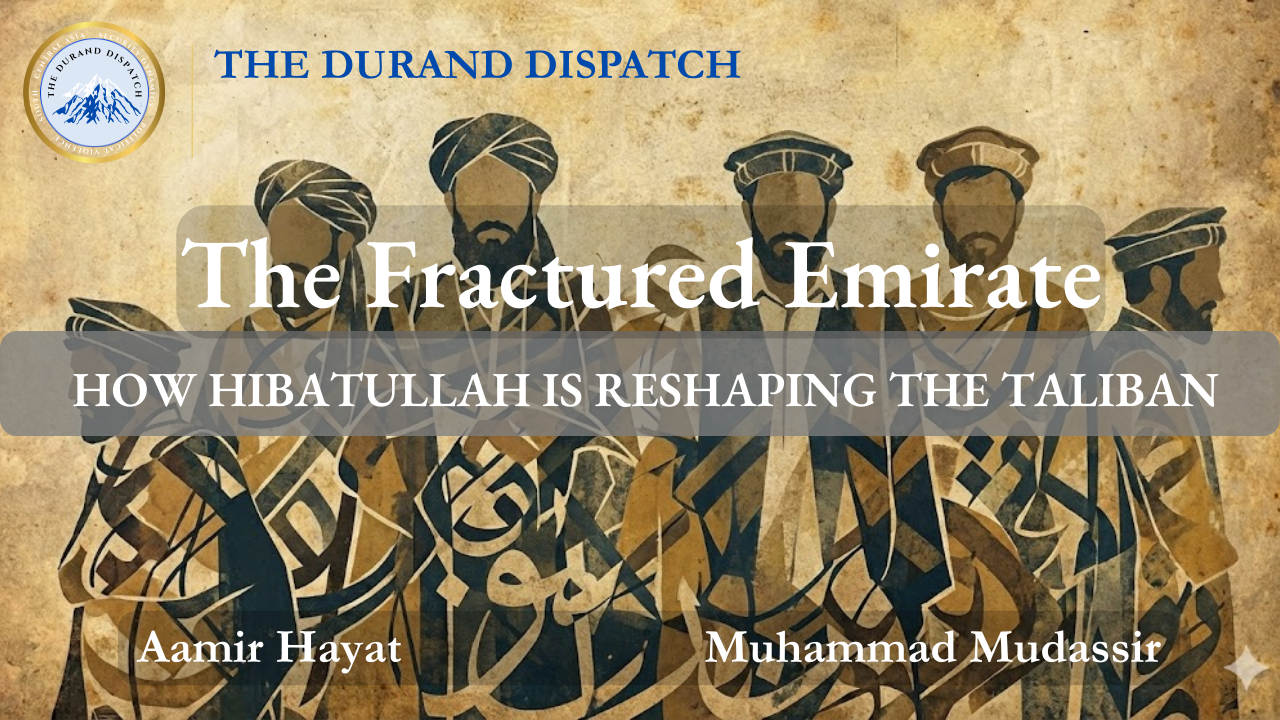
The Islamic Emirate of the Taliban appears to the outside world like a monolith, united by religious discipline and the return to power in August 2021. Behind this facade, however, lies a deepening fissure rooted not merely in modern political rivalries but in the historical tribal bifurcation of the Pashtun belt, specifically long-standing historical tensions between the Durranis and Ghilzais. This tribal fissure has re-emerged as a struggle between two centres of power today: an autocratic clerical court in Kandahar and a pragmatic, oligarchic network in Kabul.
Subscribe to read this Observer article
Create an account and subscribe to read the full piece, plus access the complete archive.
Already a subscriber? Sign in