
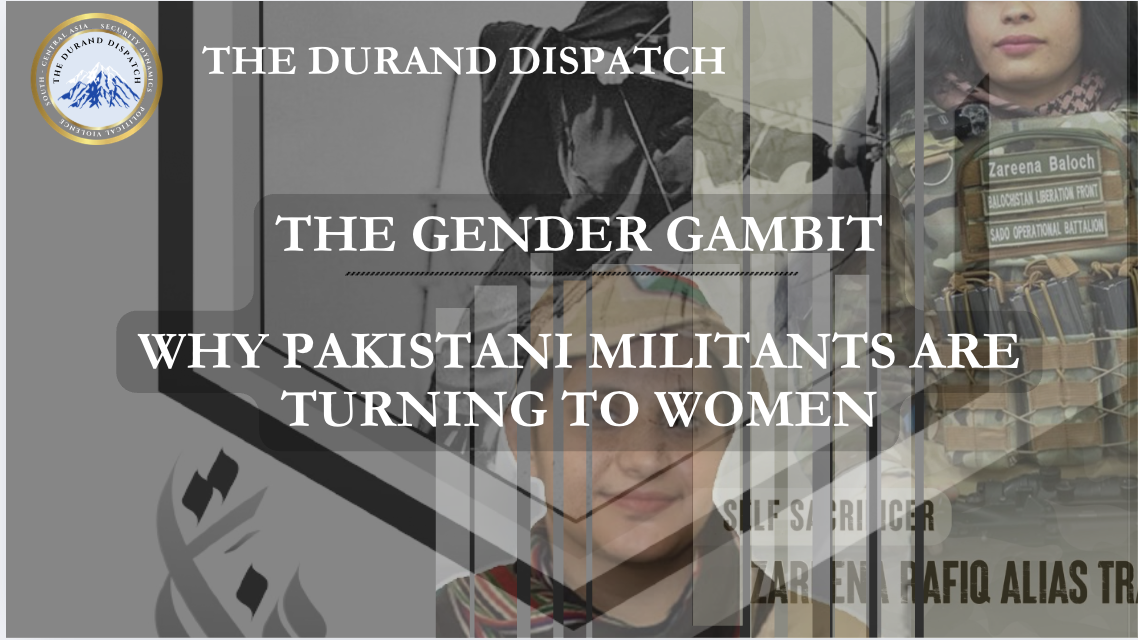
When a suicide bomber detonated explosives at the entrance gate of a Frontier Corps base in Nokundi, November 30, Chaghi district, Balochistan, it was more than another deadly attack in Pakistan’s restive southwest. The fierce ninety-minute gunbattle that followed, in an area sharing borders with Afghanistan and Iran near major copper-and-gold projects, represented the latest instance of the Balochistan Liberation Front (BLF) deploying a female suicide bomber. According to BLF’s post-attack claim, the attacker was “Zareena Rafiq, alias Turang (or Tarang) Mahoo,” a woman whom the group identified as a “self-sacrificer” (fidayeen).
BLF released a photograph of Zareen, claiming she detonated a 500-kilogram vehicle-borne improvised explosive device (VBIED) at the main gate, creating a large blast crater and destroying guard posts — an act meant to breach the compound’s barrier and pave the way for armed militants to storm the base. If confirmed by security agencies, this would mark the first publicly acknowledged use of a female suicide operative by BLF, underscoring a shift in the group’s operational tactics and gendered recruitment practices. (Some media reports attribute the attack to the Balochistan Liberation Army (BLA); responsibility remains contested.)
BLF Claim (source: Telegram)
Subscribe to read this Strategic Messaging article
Create an account and subscribe to read the full piece, plus access the complete archive.
Already a subscriber? Sign in